What is a Roofing Calculator?
A roofing calculator is an online tool designed to provide a preliminary estimate for a roofing project. By inputting basic information about your home’s dimensions, roof pitch, and material preferences, the calculator generates an approximate cost for materials (like shingles, underlayment, and nails) and sometimes labor. It’s a starting point designed to give homeowners a ballpark figure, moving beyond the dreaded “it depends” answer.How Does a Roofing Calculator Work? The Mechanics Behind the Estimate
While seemingly simple, a good roofing calculator processes several key variables. Understanding these inputs is crucial to interpreting your results.1. Roof Area (Square Footage)
This is the foundation of any calculation. The tool typically asks for your home’s footprint (length and width). It then applies a multiplier based on roof pitch to account for the slope’s added surface area. A steeper pitch means more surface than a flat roof over the same footprint.2. Roof Pitch/Slope
Expressed as a ratio (e.g., 4:12 or 6:12), the pitch dramatically affects material quantities. Calculators use pitch to determine the “roof slope factor,” converting ground area to actual roof area.3. Material Selection
Your choice of shingle (3-tab asphalt, architectural, luxury, metal, tile) has the largest impact on cost. Calculators have built-in price ranges per “square” (100 sq ft) for each material type.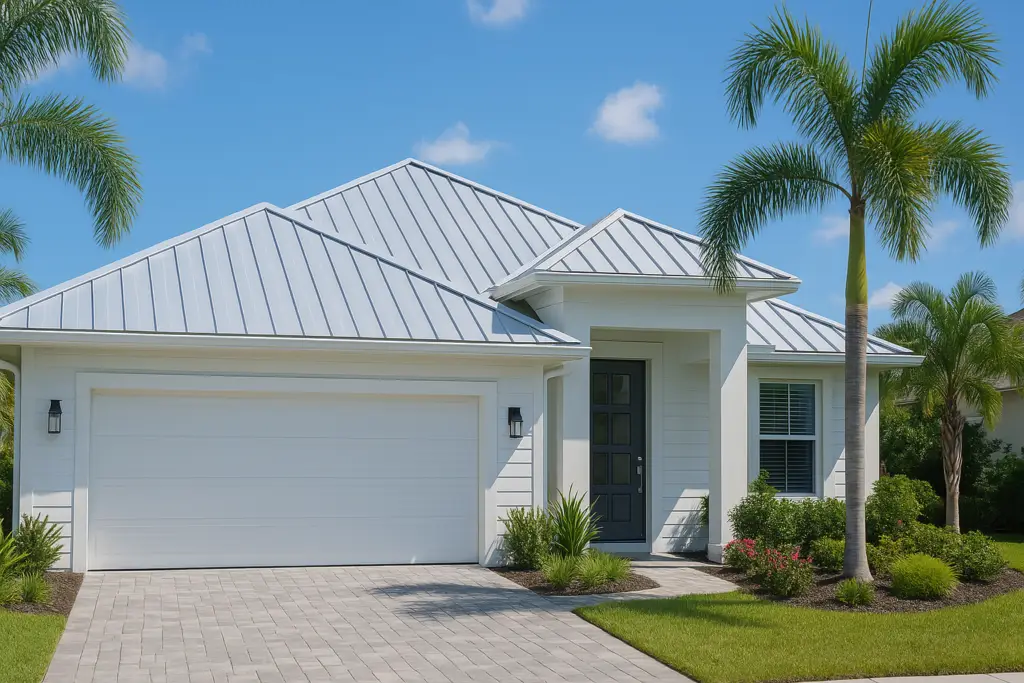
4. Estimated Waste Factor
A responsible calculator automatically adds 10-15% to the material total to account for cutting, starter courses, and hip/valley waste.5. Regional Labor & Cost Factors
Advanced calculators may incorporate zip code data to adjust for local labor rates, disposal costs, and even supply chain variations.| Calculator Input | What It Means | Impact on Final Estimate |
|---|---|---|
| Home Footprint | Length & width of your home’s base. | Core determinant of roof area. Inaccurate measurements lead to wildly wrong estimates. |
| Roof Pitch | Steepness of the roof (e.g., 4:12). | Higher pitch = more surface area = more materials. Critical for safety and cost. |
| Material Type | Choice of shingle (asphalt, metal, tile). | The single largest cost variable. Prices per square can vary by 300% or more. |
| Waste Factor | Extra material for cuts and complexity. | Adds 10-20% to material total. Essential for a realistic quote. |
| Location (ZIP Code) | Your geographic area. | Adjusts for local labor rates, permit costs, and disposal fees. |
Should You Trust a Roofing Calculator? The Pros and Cons
Roofing calculators are powerful tools, but they have limitations. Here’s a balanced look.The Advantages (Why They’re Useful)
- Budgeting Starting Point: They provide a numerical baseline, helping you avoid severe sticker shock and plan your finances.
- Material Comparison: Easily toggle between 3-tab and architectural asphalt to see the cost difference instantly.
- Educational Value: The process teaches you about roof pitch, squares, and key project variables, making you an informed consumer.
- Speed and Convenience: Get an estimate in minutes, at any time, without scheduling multiple contractor visits.
The Limitations (Where Caution is Needed)
- Can’t Diagnose Hidden Issues: The calculator cannot see rotten decking, failing underlayment, or damaged flashing. These are major cost add-ons.
- Simplifies Complex Geometry: Most assume a simple gable or hip roof. Dormers, valleys, multiple stories, and intricate layouts confuse algorithms.
- Labor Estimates are Averages: Labor complexity (e.g., steepness, accessibility) varies wildly and is hard to capture digitally.
- No Local Market Nuances: While some use ZIP codes, they can’t account for a specific contractor’s pricing, current material shortages, or local permit fees.
| Trust the Calculator For… | Don’t Trust the Calculator For… |
|---|---|
| Preliminary Budgeting Establishing a rough savings target. | The Final Contract Price This requires a physical inspection. |
| Comparing Material Costs Seeing the price jump from asphalt to metal. | Assessing Roof Condition It can’t see water damage or rot. |
| Understanding Project Variables Learning how pitch and size affect cost. | Complex Roof Structures Multiple valleys, turrets, or steep slopes throw off calculations. |

Pro Tips from Industry Experts
Getting the Most Accurate Estimate: A Step-by-Step Approach
To leverage a roofing calculator effectively, follow this process:- Use a High-Quality Tool: Start with a reputable calculator that requests detailed inputs. We recommend the comprehensive free online roofing calculator from PITCH Roofing, which accounts for multiple variables.
- Measure Carefully: Use a tape measure or property records for your home’s footprint. For pitch, use a level and tape measure or a smartphone app.
- Be Honest About Complexity: If your roof has many features, mentally add 10-20% to the calculator’s output.
- Use it for Screening Contractors: If a contractor’s quote is 50% higher than your calculated estimate, ask detailed questions about the discrepancy.
- Follow Up with an Inspection: Treat the calculator’s result as Phase 1. Phase 2 is getting free, in-person estimates from 2-3 licensed, insured local roofers.
FAQs About Roofing Calculators
They can be accurate for simple, standard roof projects when precise inputs are given. For complex roofs (multiple stories, many valleys, steep pitches) or homes with underlying structural issues, they are less reliable. Consider them a highly informed estimate, not a guaranteed quote.
Accurate square footage and roof pitch are critical. An error in either of these will propagate through the entire calculation, leading to a significant over- or under-estimate. When in doubt, overestimate your measurements slightly.
The better ones do. Look for calculators that explicitly ask about “tear-off” or include a “waste and disposal” factor. The PITCH Roofing calculator, for example, factors in these essential costs for a more complete picture.
Most calculators are designed for full replacements. For repairs, the variables (extent of damage, localized leaks, flashing repair) are too specific for a standard algorithm. A repair requires a professional’s eye for a trustworthy estimate.
A contractor’s estimate is based on a physical inspection of the roof deck, flashing, chimneys, ventilation, and local code requirements. It’s a legally binding proposal, whereas a calculator’s result is a digital approximation. The contractor’s estimate will always be the authoritative source.